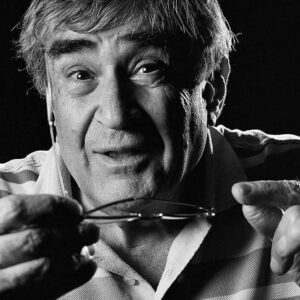
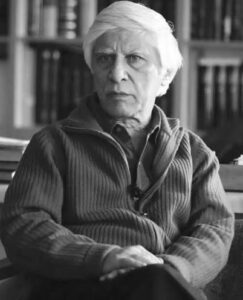
Jafar Vali | Life and Legacy in Iranian Theatre
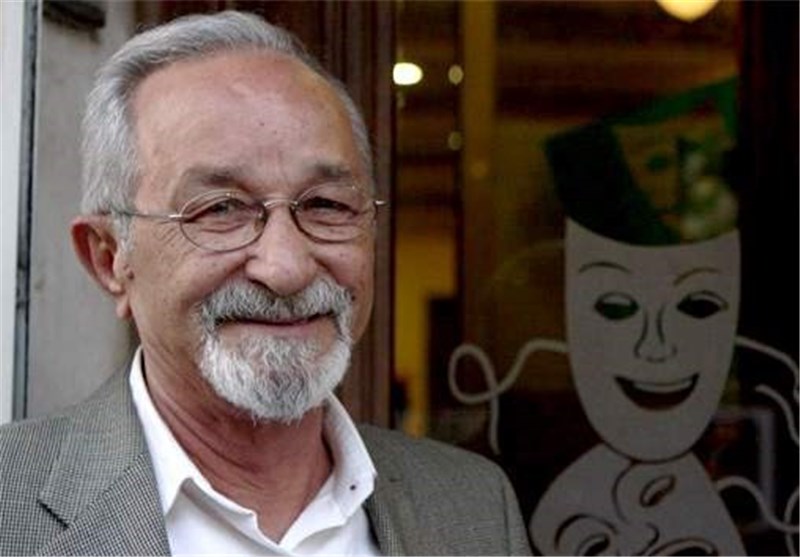
Remembering Artists
Jafar Vali | Life, Works and Artistic Legacy in Iranian Theatre
Jafar Vali (1933–2016) was an influential Iranian actor, director, and theatre educator. Through his dedication to acting education, character development, continuous learning, and mentoring young artists, he made a lasting contribution to the development of professional theatre in Iran.
Jafar Vali was one of the influential figures in contemporary Iranian theatre; an artist whose name is closely connected to the development of professional theatre in Iran, the training of new generations of actors, and the pursuit of an independent identity for the performing arts. He was not merely an actor and director, but also a devoted teacher and an artist with a distinctive vision who passed on his love of theatre to his students.
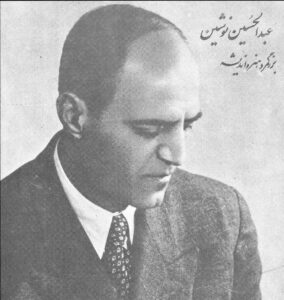
Jafar Vali was born in Tehran in 1933 and developed an interest in the performing arts from an early age. Alongside artists such as Ali Nassirian, Vali Shirandami, and Jamshid Mashayekhi, he was among the early students of acting training programmes and later continued his studies at the Faculty of Dramatic Arts. Vali was one of the artists who, alongside other prominent figures of the generation following Abdolhossein Noushin, played an important role in the formation and expansion of professional theatre in Iran.
During that period, artists such as Ali Nassirian, Ezzatollah Entezami, Abbas Javanmard, Nosrat Partovi, and other leading figures of theatre each contributed to advancing the performing arts. Their goal was not simply to stage plays; they wanted Iranian theatre to develop its own language, identity, and independent place, drawing inspiration from the culture, literature, history, and everyday lives of the Iranian people.
Jafar Vali was among those artists who regarded theatre as more than a profession. For him, theatre was a way to understand humanity and gain a deeper understanding of life.
This perspective was also evident in his working methods and his relationships with actors. When approaching a role, he did not focus solely on memorizing dialogue or performing stage movements correctly. The character’s personality, background, human relationships, suffering, aspirations, and motivations were of great importance to him. In his view, before an actor could portray a character on stage, they first needed to understand that character and comprehend the life they had lived.
This approach was also a valuable lesson for his students. Hossein Afsahi, who joined the Theatre Department in 1975, had the opportunity during his studies and artistic career to become part of Jafar Vali’s company and experience professional theatre firsthand. Within the group, he took on responsibilities including stage management, assistant directing, and acting, becoming closely familiar with his teacher’s working methods and artistic perspective.
One of Jafar Vali’s outstanding qualities was his attention to young people and his trust in emerging generations of artists. He gave young performers opportunities to demonstrate their abilities, gain experience, and develop within a professional theatrical environment. For artists at the beginning of their careers, this trust represented an invaluable opportunity to learn, experiment, and become familiar with the many responsibilities involved in a theatrical production.
Hossein Afsahi recalls his earliest experiences with Vali’s company through the play The Overcoat. He subsequently worked on productions such as Toolani, The Overcoat, The Stick-Wielders of Varazil, and Beginning and End. Being part of such a company allowed him to become familiar not only with acting but also with the different aspects of theatrical production and performance.
Another important characteristic of Jafar Vali was his commitment to continuous study and his emphasis on knowledge and awareness. He considered reading and learning inseparable from theatrical work and passed this habit on to his students. In his view, an artist who wishes to create meaningful and lasting work must continually learn, read, and deepen their understanding of society and human nature.
Vali’s connections and collaborations with prominent writers and playwrights, including Gholamhossein Sa’edi, also form an important part of his place in contemporary Iranian theatre. Sa’edi’s works, with their complex characters and distinctive social settings, provided fertile ground for different theatrical experiences in Iran. In this environment, collaboration among creative artists with a strong understanding of dramatic literature helped expand new approaches and enrich the language of theatre.
Although many people also know Jafar Vali through his appearances in cinema and television, his standing among theatre professionals extends far beyond acting. He belonged to a generation that worked to establish professional theatre in Iran; a generation that continued its work with passion and perseverance despite limited resources, production difficulties, and numerous challenges.
For that generation, theatre was not merely an artistic activity or an everyday occupation; it was part of life itself. The stage was a place for reflection, experimentation, and human connection. Jafar Vali was one of those artists whose life found meaning through theatre. When he was on stage, it was as though he were at home, in a space to which he had devoted so many years of his life and talent.
His belief in a national Iranian theatre was equally significant. He believed that theatre should be rooted in the culture, language, literature, and lives of its own people, while maintaining artistic integrity and establishing a genuine connection with Iranian audiences. This perspective developed during a period when many artists were searching for ways to connect modern theatrical experiences with Iran’s cultural and social heritage.
Today, many years later, educational and production resources in theatre may have expanded compared with the past, but understanding the difficult path travelled by the pioneers of this art remains essential. Generations who worked with limited resources and sometimes without sufficient support established the foundations upon which contemporary Iranian theatre stands. Remembering their experiences and working methods is not only a tribute to the past, but also an opportunity to better understand the path ahead.
If we were to introduce Jafar Vali to younger generations in a single sentence, we could say that he was one of the pillars of contemporary Iranian theatre; an artist who was at once a creator, a teacher, and a guardian of the cultural identity of the performing arts. Perhaps even more important, however, was the influence he had on the lives and thinking of his students and colleagues, an influence that does not disappear with the end of an artist’s life.
Some artists leave their works behind as a legacy, while others, beyond their creations, also find a place in people’s hearts and minds. Through their working methods, character, humility, and love for art, they open a path for others to follow. Jafar Vali was one of these artists.
For a student such as Hossein Afsahi, remembering his teacher is more than revisiting memories of years spent working together. It is a tribute to a person from whom there is still much to learn: from his approach to acting, his emphasis on study and understanding human nature, his support for young people, and his deep love for the stage and the performing arts.
Remembering Jafar Vali means remembering an artist who lived theatre and devoted part of his life to nurturing others. He is gone, but his works, experiences, and memories remain part of the cultural memory of Iranian theatre.
We honour the memory of this great artist and pay tribute to the years he devoted to advancing the performing arts in Iran. For his students, his name evokes kindness and learning; for the history of Iranian theatre, it represents a generation that travelled a difficult path through love, perseverance, and faith in art.
May the memory and name of Master Jafar Vali be honoured, and may many others continue along the path he opened.
RELATED TVT EPISODE
In the third episode of TVT, Tamashakhaneh explores Othello and pays tribute to Jafar Vali, the influential Iranian actor, director, and theatre educator whose dedication to the stage helped shape generations of artists.