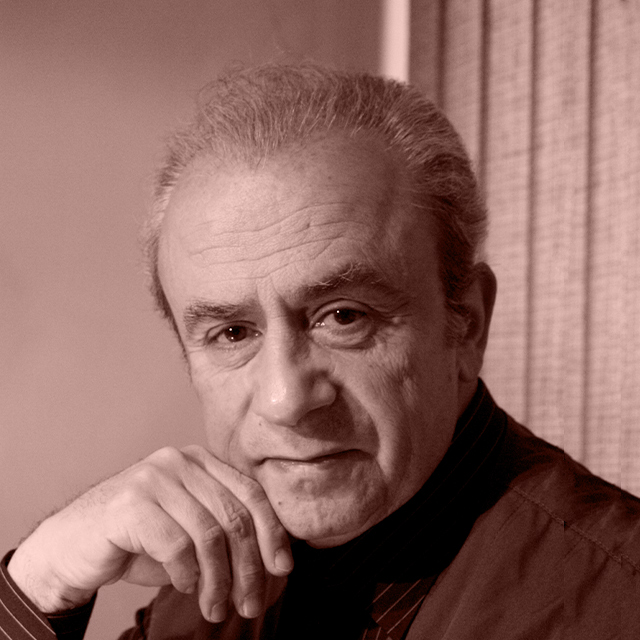
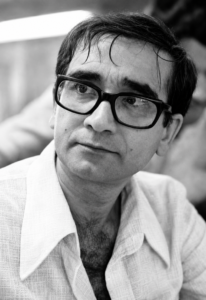
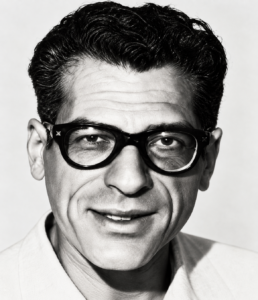
If we were to ask a European critic about the greatest Russian playwrights, we would probably hear the name Anton Chekhov. In Norwegian theatre, Henrik Ibsen holds a special place, while Arthur Miller is regarded as one of the leading figures in American dramatic literature. In Iran, one of the enduring and influential names in the history of modern theatre is Akbar Radi.
Akbar Radi was a playwright who brought Iranian society, with all its complexities, to the stage; a society undergoing change, caught between tradition and modernity, past and future, individual aspirations and social realities.
Rather than creating extraordinary heroes, he focused on the lives of ordinary people: a father who has lost his former authority, a mother worried about her family’s future, a young person searching for identity, and individuals struggling with family and social conflicts. From these seemingly ordinary characters, Radi created figures in whom audiences could recognize themselves and their society.
Critics have sometimes called him the “Chekhov of Iran,” a description that refers primarily to the similarities in the two writers’ approaches to everyday life. Just as major events in Chekhov’s works often give way to human relationships and the details of daily existence, silences, everyday conversations, and hidden tensions between characters play an important role in Radi’s plays. Nevertheless, Radi was a thoroughly independent writer who drew his dramatic world from Iranian culture and society.
The language of his works was rooted in people’s lives, from family relationships and social interactions to the atmosphere of old houses and the character of cities such as Rasht and Tehran. Without distancing himself from his Iranian identity, he created works capable of connecting with audiences from other cultures.
Among his notable plays are From Behind the Windows, The Magnificent Smile of Mr. Gil, Slowly with the Red Rose, Iranian Inheritance, and The Staircase.
Beyond telling the stories of individuals and families, these plays present a portrait of social transformations in contemporary Iran. In The Staircase, for example, the pursuit of social advancement, ambition, and the transformation of human character through encounters with power and wealth are brought to life. Other works also explore themes such as generational conflicts, changing values, family relationships, and the loneliness of modern individuals.
Akbar Radi’s significance lies in his ability to examine the issues of his society through the lives of its people. For this reason, his works remain relevant for reading, analysis, and performance even after the passage of time, because their themes are not confined to a particular historical period.
Akbar Radi passed away in 2007, but his name and works remain part of the cultural memory of Iranian theatre. His plays are considered among the important works of the country’s dramatic literature and continue to serve as valuable resources for new generations of actors, directors, and theatre enthusiasts.
He was a writer who succeeded in transforming everyday life into dramatic literature and making the theatre stage a mirror through which society could be observed and human nature better understood.
We honour the memory of Akbar Radi, one of the greatest playwrights in the history of Iranian theatre.