Shahin Sarkissian | Legacy in Modern Iranian Theatre
Remembering Artists
Shahin Sarkissian: The Man Who Lived for Theatre
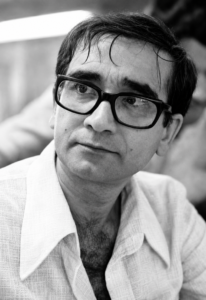
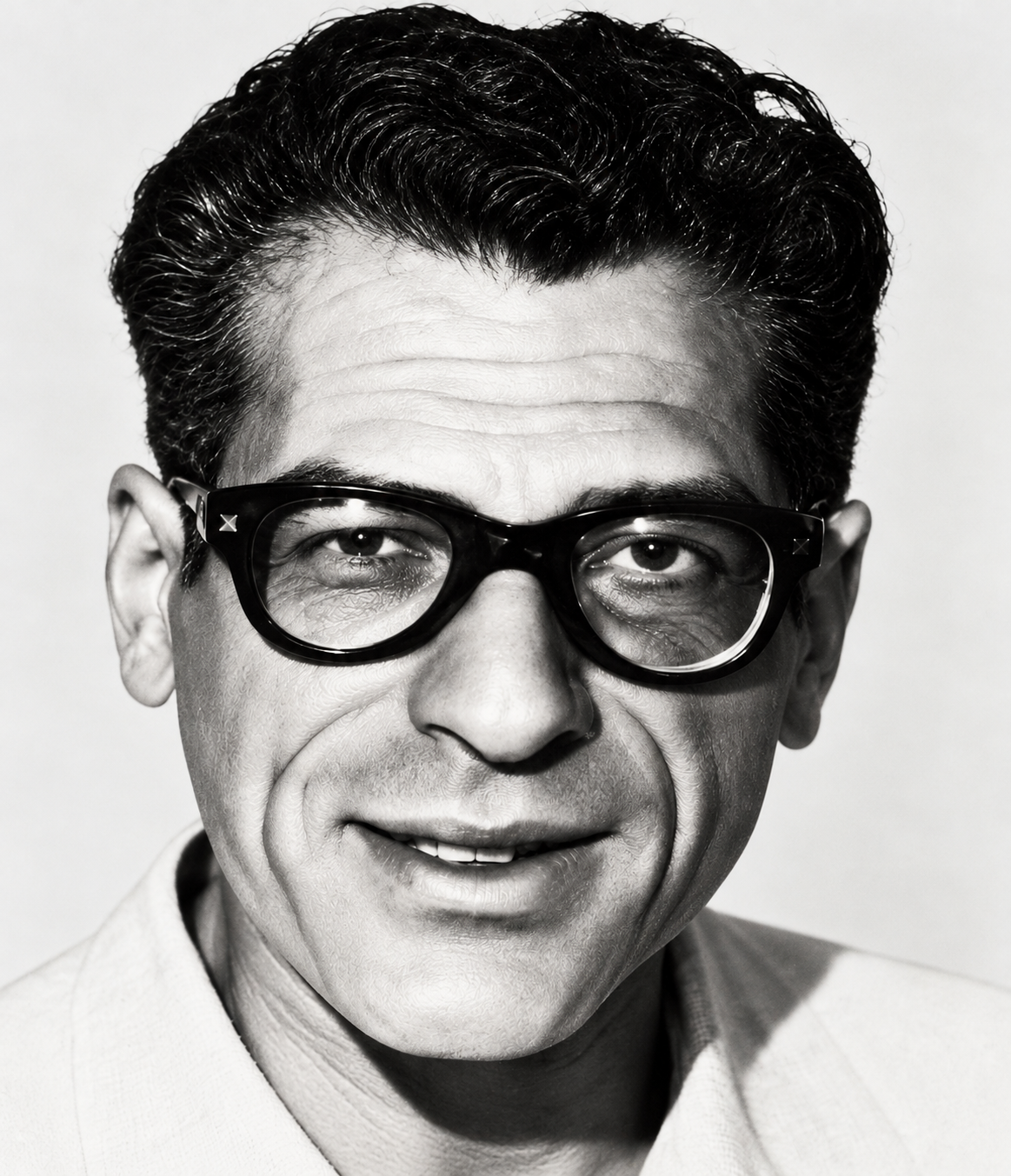
Shahin Sarkissian (1920–1966) was an influential Iranian theatre director and educator whose commitment to dramatic literature, professional rehearsals, character development, and mentoring young actors helped shape a new generation of theatre artists. His influence extended far beyond his own productions, leaving a lasting mark on modern Iranian theatre.
In the history of Iranian theatre, there are artists whose names may not have become as widely known as those of some of their contemporaries or students, yet the impact of their presence can be seen in the development of later generations of theatre artists. Shahin Sarkissian was one of these figures, a director who devoted much of his life to theatre and placed greater importance on training actors, understanding dramatic texts, and finding an independent identity for Iranian theatre than on personal fame.
If a director devotes his entire life to theatre, yet his name is not heard as often as those of his students, can he be considered a failure? Perhaps Shahin Sarkissian’s artistic life offers a clear answer to this question: a man who received less recognition himself, but whose vision and ideas lived on through many artists of later generations.
Shahin Sarkissian was born in Tehran in 1920. He spent part of his life and artistic education outside Iran, where he became familiar with European theatrical movements. But his return to Iran was accompanied by a serious concern: how could a form of theatre be created that was rooted in the society, culture, and lives of the Iranian people?
Sarkissian sought a form of theatre that went beyond simply delivering dialogue and performing movements on stage. He believed that an actor should not merely speak the words of a play, but should understand the character, comprehend their inner world, and bring their life to the stage. For this reason, rehearsal was central to his process of theatrical creation. He worked closely with actors, emphasized the importance of voice, movement, characterization, and careful understanding of the text, and sought to ensure that each performer developed a deep understanding of their role before appearing before an audience.
Shahin Sarkissian’s significance cannot be measured solely by the number of productions he directed. He was, in fact, a teacher of a new approach to theatre, one in which education, study, rehearsal, and knowledge of dramatic literature held a special place.
In the early 1950s, Shahin Sarkissian’s home became a gathering place for young people interested in theatre. Groups of aspiring theatre artists met there to read plays, discuss dramatic works, and develop a new understanding of theatre under his guidance. These meetings were not merely friendly gatherings; they provided a space for education, the exchange of ideas, and the emergence of a new movement in Iranian theatre.
Among the young artists who gathered around Sarkissian were figures such as Ali Nassirian, Abbas Javanmard, Jafar Vali, Jamshid Layegh, Fahimeh Rastkar, and Bijan Mofid. Other artists, including Parviz Bahram, Esmail Davarfar, Bahman Mofid, Shamsi Fazlollahi, Bahram Vatanparast, Mahtaj Nojoomi, and Arby Ovanessian, were also among those who participated in the educational and artistic environment that developed around him.
Looking at these names, we can better understand the importance of Sarkissian’s role. Compared with some of these artists, he may have left behind fewer theatrical productions, but he contributed to shaping the thinking and artistic paths of many of them. Sometimes a director can be understood not only through the plays they staged, but also through the artists who developed under their guidance.
One of Sarkissian’s important characteristics was his particular attention to Iranian playwriting. He believed that Iranian theatre could not achieve its own independent identity by merely imitating the methods and dramatic works of other countries. In his view, Iranian playwrights needed to be taken seriously, and the subjects of plays should emerge from the lives, culture, social relationships, and experiences of the people of Iran.
This perspective became especially significant at a time when Iranian theatre was moving away from traditional forms and popular entertainment toward new experiments and the development of modern theatre. Sarkissian had chosen a difficult path, one that might not bring immediate fame or success, but emphasized the quality of artistic work, serious engagement with the text, and respect for the actor’s role.
He wanted theatre to be taken seriously, dramatic texts to be read and analyzed carefully, and actors, as one of the most important elements of artistic creation, to find their rightful place. For Sarkissian, theatre was not simply the staging of a play; it was a combination of thought, education, experience, and collective effort.
Shahin Sarkissian passed away in 1966, but his death did not mark the end of his presence in the history of Iranian theatre. His influence cannot be found only in photographs, writings, or memories left behind. Part of his legacy lived on in the artists who encountered his vision, learned from his experiences, and each continued the development of Iranian theatre in their own way.
Some artists continue their artistic lives even after death, not necessarily through the works they leave behind, but through the ideas they pass on and the generations they help shape. Shahin Sarkissian can be considered one of these artists.
He may never have become as famous as some of his students and contemporaries, but part of the history of contemporary Iranian theatre can be traced through his life and work.
Now, if we return to the question raised at the beginning: can a director who devoted his entire life to theatre, yet received relatively little recognition, truly be considered an unsuccessful artist?
In Shahin Sarkissian’s case, the answer must be sought in the legacy he left behind. He may not have been seen on stage as often as many of his students, but he gave Iranian theatre something that endured far beyond the life of a single production: a generation of artists, a way of seeing, and a deep belief in the value and importance of theatre.
Shahin Sarkissian: a director who may have received less recognition on stage himself, but whose vision and ideas continued to leave their mark on Iranian theatre for years.
And perhaps this is one of the most beautiful ways for an artist to endure: to no longer be here, yet to have something of yourself continue to live on stage.
We dedicate this programme to Shahin Sarkissian and honour his memory and legacy.
RELATED TVT EPISODE
In the ninth episode of TVT, Tamashakhaneh explores the art of theatre directing and pays tribute to Shahin Sarkissian, an influential director and educator whose vision helped shape generations of Iranian theatre artists.